Local Water Damage Restoration Expertise
In Rochester, Michigan and surrounding areas like Paint Creek and downtown corridors, water intrusion can start quietly—a damp smell in the basement, stains on foundation walls. By the time homeowners notice, damage spreads fast. Water damage restoration service in Rochester, MI prevents mold growth, stops structural decay, and saves belongings. We respond to basement flooding, burst pipes, storms, and sewage backups with equipment and expertise built for Michigan's clay soil, spring snowmelt, and aggressive weather patterns.
This page covers what water damage looks like, how restoration works, why speed matters, and how to reach us when your home is wet.
Understanding the sources helps you act fast when water appears.
Rochester sits on heavy clay soil that drains poorly, especially after snowmelt or spring rains. When the ground saturates, water pressure builds against your foundation. Cracks form, water seeps in. Most basements in Rochester experience moisture intrusion between March and June as frozen ground thaws.
Burst or leaking pipes hidden behind walls go unnoticed until drywall softens and mold blooms. Sump pump failure during power outages (common in severe thunderstorms) means no backup system to push water out. Sewer backups occur when municipal lines overflow during extreme rainfall, forcing raw sewage into your lowest fixtures.
Water damage spreads fastest in the first 48 hours. Early action stops mold, saves structure, and costs far less later.
Paint Creek area residents: Heavy spring runoff from creek overflow has flooded multiple properties in lower-elevation neighborhoods. Know your property's slope and drainage before rain hits.
We work in phases—extract, dry, clean, restore—with clear milestones and honest updates every step.
We pump standing water, shut off electricity to wet areas, and assess structural hazards. Wetness is removed first; safety stops further loss.
Industrial dehumidifiers and air movers run around the clock. We monitor moisture levels in walls, beneath flooring, and in crawl spaces to prevent mold.
Contaminated surfaces are cleaned, sanitized, and treated to kill bacteria and halt mold germination. Wet materials are assessed for restoration or removal.
We replace drywall, flooring, cabinetry, and trim. Porous materials like insulation are discarded. Your space returns functional and safe.
You'll always know what's happening next—and when.
Each water loss is different. Here are the scenarios we handle most often.
Basements in Rochester, especially in neighborhoods near lower elevations and clay-heavy zones, flood after heavy spring rain. We extract water, address the water source, dry subfloors, and restore. Many homes recover items from storage once we've dried and cleaned.

Extracting standing water from Rochester-area basement after spring thaw
Municipal sewer backups in Rochester occur when heavy rainfall overwhelms aging lines. Black water (sewage) poses severe health risks. We use full PPE, specialized equipment, and EPA-approved antimicrobials to decontaminate and restore safely. All affected materials are removed and replaced.

Professional decontamination following municipal sewer backup
Frozen pipes in Rochester winters and age-related corrosion cause leaks inside walls. By the time you notice soft drywall or discolored ceilings, water has been pooling for days. We locate the source, dry walls and insulation, clean affected areas, and recommend permanent repairs to the plumbing source.

Industrial drying after burst pipe in Rochester area home
Rochester's climate, soil, and building stock create unique restoration demands.

Spring freeze-thaw cycles in Rochester increase foundation crack risk
Oakland County soil (where Rochester is located) contains compacted clay that holds water. We know how to dry these properties, because slow-draining soil means water sits around your home longer. We design drying strategies that reach trapped moisture in clay zones.
March through May brings heavy runoff. In downtown Rochester and older neighborhoods, municipal storm drains can't keep up. We're ready for the seasonal surge and keep crews available when spring peaks.

Preparing equipment for Rochester's predictable spring flood season
Older Rochester homes (many built pre-1970) have stone or poured concrete foundations with limited waterproofing. We understand how these respond to moisture and adjust drying and restoration to preserve structural integrity without damaging original details.

Careful drying of older Rochester-area foundation without structural risk
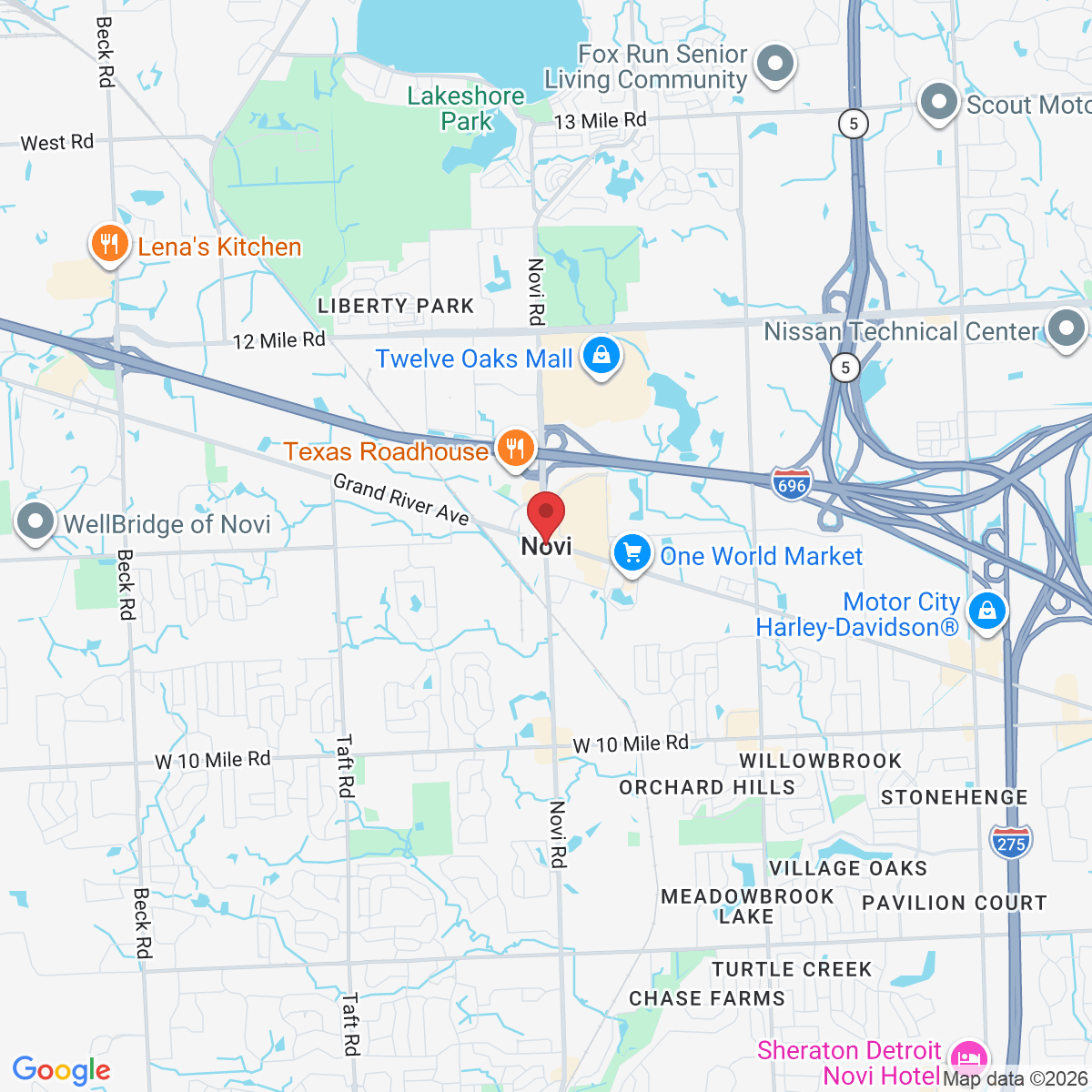
Operating throughout Oakland County, including Rochester proper, Paint Creek, and adjacent neighborhoods.
Rochester, Michigan and surrounding Oakland County communities. We arrive within hours for emergency water extraction and can mobilize crews to multiple properties during seasonal peaks. If you're north of Avon Township or east toward Lake St. Clair, contact us to confirm coverage.
We're based locally and positioned for rapid dispatch. From downtown Rochester, most properties are within a 15-minute drive. If your water loss is active, call now—crews can be en route while you secure valuables.
Have water in your basement now? Call for emergency extraction. Don't wait for business hours—we respond day and night to prevent mold and structural damage.
IICRC-certified technicians. Industrial pumps, dehumidifiers, and moisture mapping tools—not homeowner rental gear. Professional-grade results.
Water emergencies don't wait for business hours. Crews dispatch day and night. Call anytime—we answer and arrive fast.
We work directly with your insurance adjuster, provide documentation, and help streamline claims. Reduces your headache significantly.
Upfront scope, realistic expectations, daily updates. No surprises. You know the plan at each step.
500+ water damage projects completed across Oakland County. 20+ years of experience restoring Rochester-area homes. Highest local endorsements and insurance partnerships.
Look for musty smells, water stains, cracks in foundation walls, or soft spots on drywall. After heavy rain or snowmelt, check your basement for seepage around the perimeter. In Rochester, lower-lying properties and homes built on clay soil face higher risk. Ask neighbors about past flooding—if they've had it, you likely will too. We offer free inspections to assess your specific vulnerability.
Yes. We coordinate directly with your adjuster, submit documentation, and itemize all work and materials. Most homeowner's policies cover sudden water loss (pipes, storms); sewer backup and groundwater typically require separate riders. We help you understand your coverage before work begins and ensure claims are processed fairly.
Mold thrives on moisture. If wet materials aren't dried or removed quickly, mold germinates within 24–48 hours. Porous materials like drywall, insulation, and carpet are especially vulnerable. We prioritize speed—extraction and drying begin immediately—and use antimicrobial treatments and dehumidifiers to prevent mold colonization. If mold is already present, we address it as part of restoration.
Do not wait. Rent fans and dehumidifiers if needed, but they're not enough for deep drying. Moisture hides inside walls and insulation—homeowner-grade equipment can't reach it. Professional drying monitors moisture levels in hidden areas and adjusts airflow continuously. Call us immediately when water appears; fast action saves structural integrity and stops mold.
First: Ensure safety. Avoid electrical hazards—don't touch switches or outlets if water is present. If the basement is actively flooding, shut off electricity at the main panel from above. Move valuables and documents to higher floors. Open windows to start air circulation. Call us immediately—don't try to pump or clean alone. We'll guide you and dispatch a crew for emergency extraction.
Power outages during storms are the leading cause. Battery backup systems keep pumps running when the grid goes down. Undersized pumps can't handle the volume of water during extreme rainfall. Blocked intake pipes and worn-out float switches also cause failures. We recommend having a backup sump pump and battery system installed before spring—not after a flood.
DISCOVER WHAT OUR CUSTOMERS HAVE TO SAY ABOUT US